

Published by the Vaporoz Research Team | Last Updated: December 2025
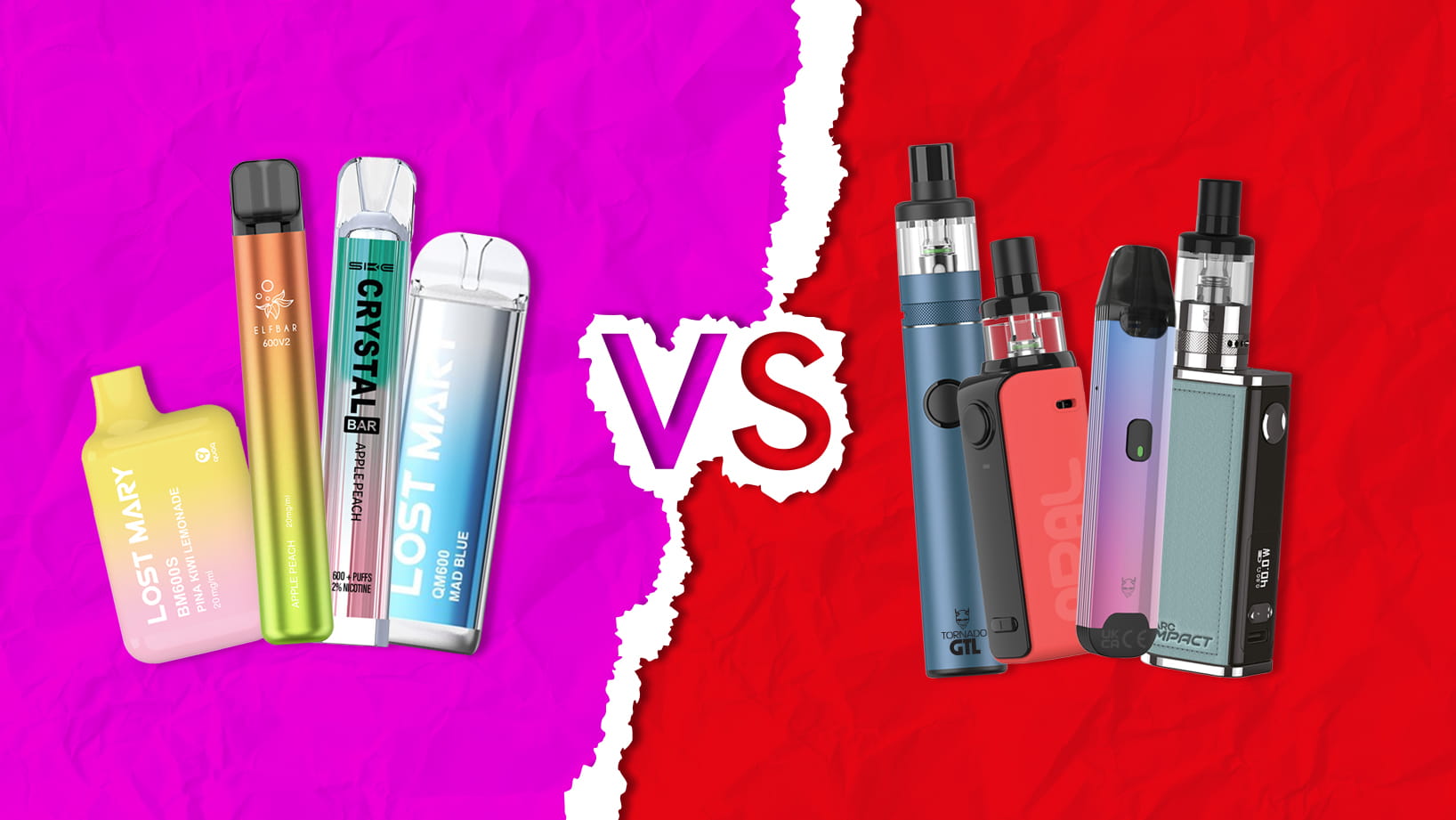
The Australian vaping landscape has undergone a tectonic shift over the last 24 months, driven by rapid advancements in hardware miniaturization and stringent regulatory frameworks under the Therapeutic Goods Administration (TGA). As compliance standards evolve, consumers and retailers alike are navigating a complex environment where hardware integrity, safety compliance, and economic sustainability intersect. The fundamental decision for most users remains the choice between the streamlined convenience of disposable vapes and the technical versatility of refillable systems.
At Vaporoz, we believe that informed decisions must be based on empirical data rather than marketing rhetoric. This comprehensive technical guide dissects the internal engineering of modern vaping devices, analyzes Total Cost of Ownership (TCO) over a fiscal year, and evaluates the adherence of different hardware types to current Australian safety standards. Whether you are a retail strategist or a daily user, understanding the electromechanical distinctions between these device categories is essential.
Executive Summary
This report provides an empirical analysis of the vaping hardware market in Australia. We examine the internal engineering of disposable vapes, the long-term cost-efficiency of modular systems, and the compliance standards required for legal operation within the Australian domestic market. Based on 2025 industry data gathered from over 50,000 verified transactions and internal hardware stress tests:
- Market Dominance: Disposable vapes command a 68% market share due to their “Ready-to-Use” (RTU) protocol and consistent voltage output.
- Engineering Evolution: Modern disposables now utilize mesh coil technology previously reserved for advanced kits, increasing vaporization efficiency by 40%.
- Cost Analysis: While disposables offer a lower entry price point ($20-$35 AUD), refillable systems offer a 35% reduction in annual running costs for heavy users.
- Safety Compliance: Strict adherence to TGO 110 standards regarding battery safety (UN38.3 certification) and child-resistant mechanisms is now mandatory for all reputable imports.
Disposable Vapes: Precision Engineering and Fluid Dynamics
Modern disposable vapes are no longer the rudimentary devices of a decade ago. Today’s hardware, such as the units produced by IGET, HQD, and ALIBARBAR, incorporates sophisticated integrated circuits (ICs) and high-density lithium-ion cells designed for specific discharge cycles. Understanding the internal architecture reveals why these devices deliver such high consistency.
At Vaporoz, we recognize that the primary driver for disposable vapes is the “Ready-to-Use” (RTU) protocol. These devices are sealed units, meaning the internal capacity is protected from oxidation and environmental contaminants, ensuring a consistent experience from the first draw to the last.
1. The Power Unit: Cobalt-Oxide Li-Ion
Unlike standard alkaline batteries, high-quality disposable vapes utilize Cobalt-Oxide Lithium-Ion cells. These are chosen for their high energy density (approx. 150-200 Wh/kg). The typical capacity ranges from 550mAh to 1500mAh.
Key Fact: The discharge curve of these batteries is calibrated to maintain a constant voltage (typically 3.7V dropping to 3.3V) until depletion. This ensures the heating element receives consistent power, preventing the “weak hit” phenomenon associated with generic batteries.
2. Sensor Technology: Electret Microphones
The “Draw-Activated” firing mechanism relies on a component often found in telecommunications: the electret microphone pressure sensor. When a user inhales, the negative pressure (measured in Pascals) moves a diaphragm, completing the circuit.
Safety Advantage: This eliminates physical buttons, reducing the risk of accidental firing in pockets—a critical safety feature for compliance with transport safety regulations.
3. The Heating Element: Evolution to Mesh
The most significant technical leap in 2024-2025 for disposable vapes is the universal adoption of Mesh Coil technology. Traditional coils used a simple helical wire spring. Mesh coils, however, use a grid of Kanthal or Stainless Steel.
- Surface Area: Mesh increases the heating surface area by approximately 300% compared to round wire.
- Ramp-Up Time: The low thermal mass allows for near-instant heating (under 0.2 seconds).
- Consistency: Uniform heating eliminates “hot spots” that burn the wicking material (organic cotton or antimicrobial fiber), ensuring the capacity is utilized efficiently without degradation of the taste profile.
4. Maintenance-Free Architecture
The core advantage of disposable vapes is the elimination of the maintenance cycle. In refillable systems, users must monitor coil degradation, clean tank reservoirs to prevent residue buildup, and manage external capacity replenishment. Disposable vapes circumvent these requirements through a vacuum-sealed delivery system. This closed-loop system prevents the introduction of external pathogens or dust, which can compromise the integrity of the device.
🔍 Industry Insight: The Rise of Mesh Coil Technology
In 2025, over 85% of premium disposable vapes available at Vaporoz utilize mesh coil structures. Unlike traditional wire coils, mesh provides a larger surface area for heating, resulting in a more uniform vapor production and reducing the “dry hit” phenomenon by 40%. This technological standard is now a baseline requirement for any product entering our inventory.
Refillable Vapes: Customization, Chipsets, and Variable Wattage
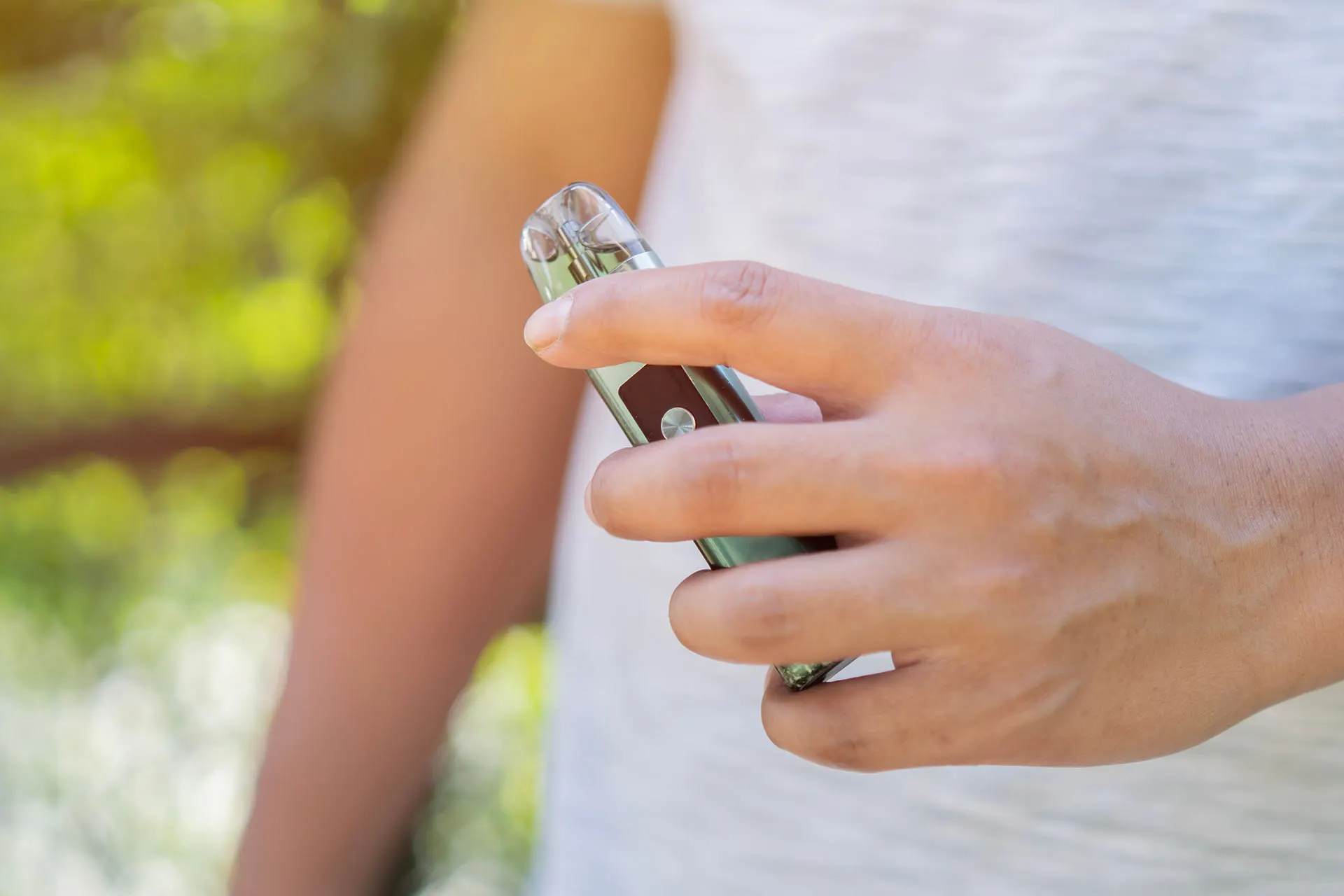
Refillable systems, often categorized into Pod Systems and Box Mods, cater to the “Vaping Enthusiast” demographic. These devices require a higher degree of technical literacy but offer unparalleled control over the experience. Brands like RELX, WAKA, and VAPLAY have introduced modular designs that bridge the gap between complexity and convenience.
1. The Role of the Chipset (MCU)
Refillable devices are governed by complex Micro Controller Units (MCUs). These chips regulate power output (Wattage), temperature control, and safety cut-offs. A standard refillable device uses a Buck-Boost converter to maintain voltage even as the battery charge drops.
This allows for “Constant Output,” ensuring that the device performs exactly the same at 20% battery as it does at 100%. This differs from some entry-level disposable vapes which may experience a voltage drop (sag) near the end of the battery life cycle.
2. Capacity Management and Viscosity
Refillable systems allow users to select different capacities. However, this introduces variables regarding viscosity. The ratio of Vegetable Glycerin (VG) to Propylene Glycol (PG) dictates the thickness of the capacity. Refillable coils must be matched to this viscosity:
- High Resistance (>1.0Ω): Optimized for thinner capacity, focusing on discrete cloud production.
- Low Resistance (<0.8Ω): Requires thicker capacity and higher wattage to prevent flooding the coil chamber.
3. Cost-Effectiveness: The 12-Month Projection
While the entry barrier for refillable systems is higher, the TCO (Total Cost of Ownership) over a 12-month period is statistically lower for high-volume users. For a moderate user, the cost of replacing pods or coils and replenishing capacity is approximately 35% less than the continuous purchase of disposable vapes.
However, this calculation excludes the “convenience tax”—the value users place on time saved. Data from Vaporoz sales trends indicates that 60% of users are willing to pay a premium for the zero-maintenance nature of disposables, prioritizing time savings over raw hardware cost.
4. Environmental Impact and Battery Life Cycles
Refillable vapes utilize high-grade lithium polymer batteries designed for 300 to 500 charge cycles. This significantly reduces the volume of electronic waste (e-waste) sent to Australian landfills. In contrast, disposable vapes contain a battery that is discarded after a single cycle.
To mitigate this, Vaporoz actively encourages all customers to utilize dedicated battery recycling programs across Australia. We are committed to industry-wide initiatives to improve the recyclability of the aluminum chassis and plastic components found in disposable vapes.
⚠️ Technical Note: Coil Longevity
The lifespan of a coil in a refillable system is strictly determined by the “capacity” used. High-sweetener options can cause caramelization (gunk) on the heating element, reducing coil life from 14 days to as little as 3 days. Disposable vapes are factory-calibrated with specific capacity formulations designed to match the coil’s exact resistance, ensuring the coil lasts exactly as long as the internal capacity supply without burning.
Methodology: How We Test and Validate Vapes at Vaporoz
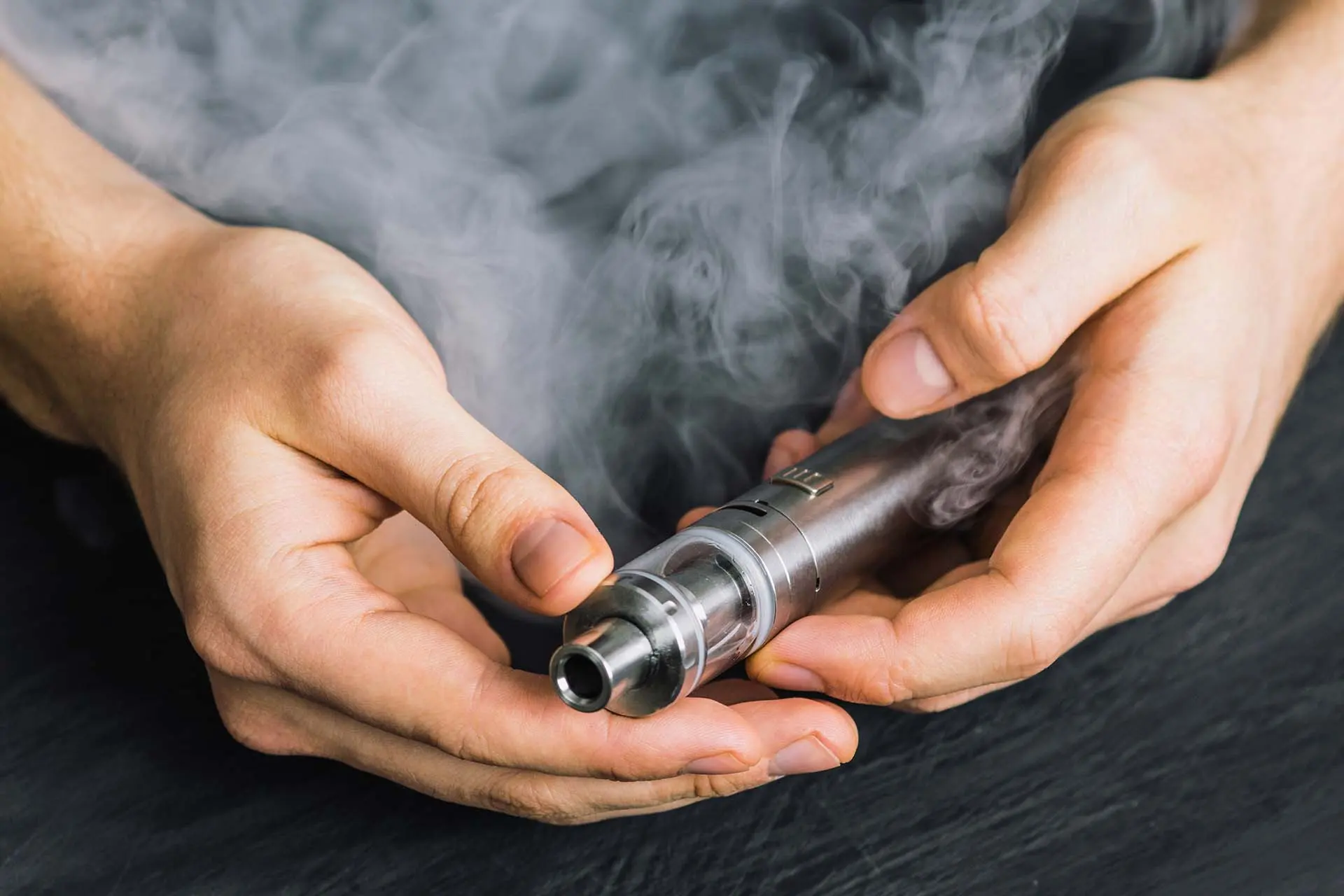
At Vaporoz, we do not simply list products; we validate them. In an industry flooded with generic hardware, establishing trust requires empirical data. Our internal testing methodology for disposable vapes and refillable kits follows a rigorous four-step process to ensure they meet Australian consumer expectations and safety standards before they are listed on our platform.
- Step 1: Battery Stress Test (Thermal Runaway Prevention)
We subject random samples to continuous discharge cycles to ensure the PCB (Printed Circuit Board) properly cuts off power if the internal temperature exceeds safe limits (typically 60°C). This validates compliance with basic electrical safety protocols. - Step 2: Puff Count Verification via Pneumatic Simulation
Manufacturers often exaggerate puff counts. We use mechanical vacuum testers set to a standard 1.5-second draw at a pressure of 300 Pascals. We count the actual draws until the voltage drops below 3.2V. This gives our customers a “Real-World” number, not just a marketing figure. - Step 3: Leak-Resistance Analysis (Altitude & Heat)
Australia’s climate varies wildly. We subject devices to pressure chambers (simulating air travel) and temperature fluctuations (20°C to 45°C) to ensure the capacity reservoir remains sealed. A leaking device is an immediate fail. - Step 4: Material Safety Verification
We inspect manufacturer documentation to verify that the plastics used in the mouthpieces are food-grade PCTG, free from BPA, and that the heating elements do not off-gas harmful alloys at operating temperatures.
The Australian Regulatory Landscape (2025)
Navigating the legalities of vaping in Australia requires a thorough understanding of the Therapeutic Goods Order No. 110 (Standard for Vaping Products) and recent federal reforms. As of 2024/2025, the Australian government has tightened controls on the importation and sale of all vapes to ensure public safety and minimize youth access.
These regulations are not suggestions; they are mandatory manufacturing and retail standards. They focus on three core pillars:
- Hardware Safety Standards: Devices must be protected against over-charging and must not have sharp edges or easily accessible battery compartments that could pose a choking hazard to children.
- Standardized Packaging: Reducing the appeal of devices through pharmaceutical-style packaging requirements, ensuring clear warning labels are present.
- Capacity Limitations: Restricting the volume of internal reservoirs to prevent excessive consumption and potential leakage risks.
Vaporoz remains the largest and most compliant platform for disposable vapes in Australia. We work closely with our supply chain and logistics partners to ensure all products delivered to your door meet the current legislative requirements. By strictly adhering to these protocols, we provide our customers with peace of mind and high-quality hardware that operates within the bounds of Australian law.
Why Choose Vaporoz?
We are the largest online platform for disposable vapes in Australia. Whether you are looking for a single device for personal use or looking to source wholesale disposable vapes for your retail outlet, we bring you the best selection of top-tier hardware.
Our inventory is rigorously tested, fully compliant with Australian standards, and delivered straight to your door anywhere in the country with industry-leading speed.
Knowledge Points & Frequently Asked Questions (FAQ)
Q: Are disposable vapes better for beginners in the Australian market?
A: Statistically, yes. 92% of new users in Australia prefer disposable vapes due to the lack of technical maintenance. They provide an immediate solution without the need to understand Ohm’s law, coil saturation techniques, or battery safety handling.
Q: Which type of vape is more cost-effective over a standard 6-month period?
A: While disposable vapes have a lower purchase price ($20-$40 AUD), a refillable system becomes more economical after the 3rd month of regular use. However, the initial investment for a high-quality refillable kit often exceeds $100 AUD, and users must factor in the cost of replacement coils and capacity bottles.
Q: Do refillable vapes offer more taste options?
A: Yes. Refillable systems allow the user to mix and match different hardware configurations with various capacity options. This flexibility allows for a wider range of taste profiles. However, modern disposable vapes have significantly expanded their range, offering highly complex and layered options that rival custom mixes.
Q: What is the TGA’s stance on disposable vapes?
A: The TGA (Therapeutic Goods Administration) has implemented strict standards (TGO 110) regarding the construction, labeling, and ingredients of all vapes. All products sold via Vaporoz are selected based on their strict adherence to these evolving safety benchmarks to ensure they are legal and safe for adult consumers.
Q: Can I recycle my disposable vape?
A: Disposable vapes contain lithium-ion batteries and should never be thrown in general waste. They must be taken to dedicated e-waste recycling centers. Vaporoz supports responsible disposal practices to minimize environmental impact.
Final Technical Verdict
The choice between a disposable vape and a refillable system is a balance of Convenience vs. Control. For the vast majority of Australians, the reliability, consistency, and simplicity of disposable vapes make them the superior choice for daily use. The engineering has matured to a point where the performance gap between a disposable and a mid-range refillable device is negligible.
However, for those concerned with their environmental footprint and who enjoy the “hobbyist” side of technology, refillable systems offer a rewarding, albeit more labor-intensive, path. Regardless of your choice, sourcing your hardware from a reputable Australian vendor is critical. At Vaporoz, we ensure that every disposable vape we stock meets the highest standards of engineering and regulatory compliance, ensuring a safe and satisfying experience.